
Horse races, jousts and a cart that explodes
Tuscan festivals are re-enactments that never stopped being real.
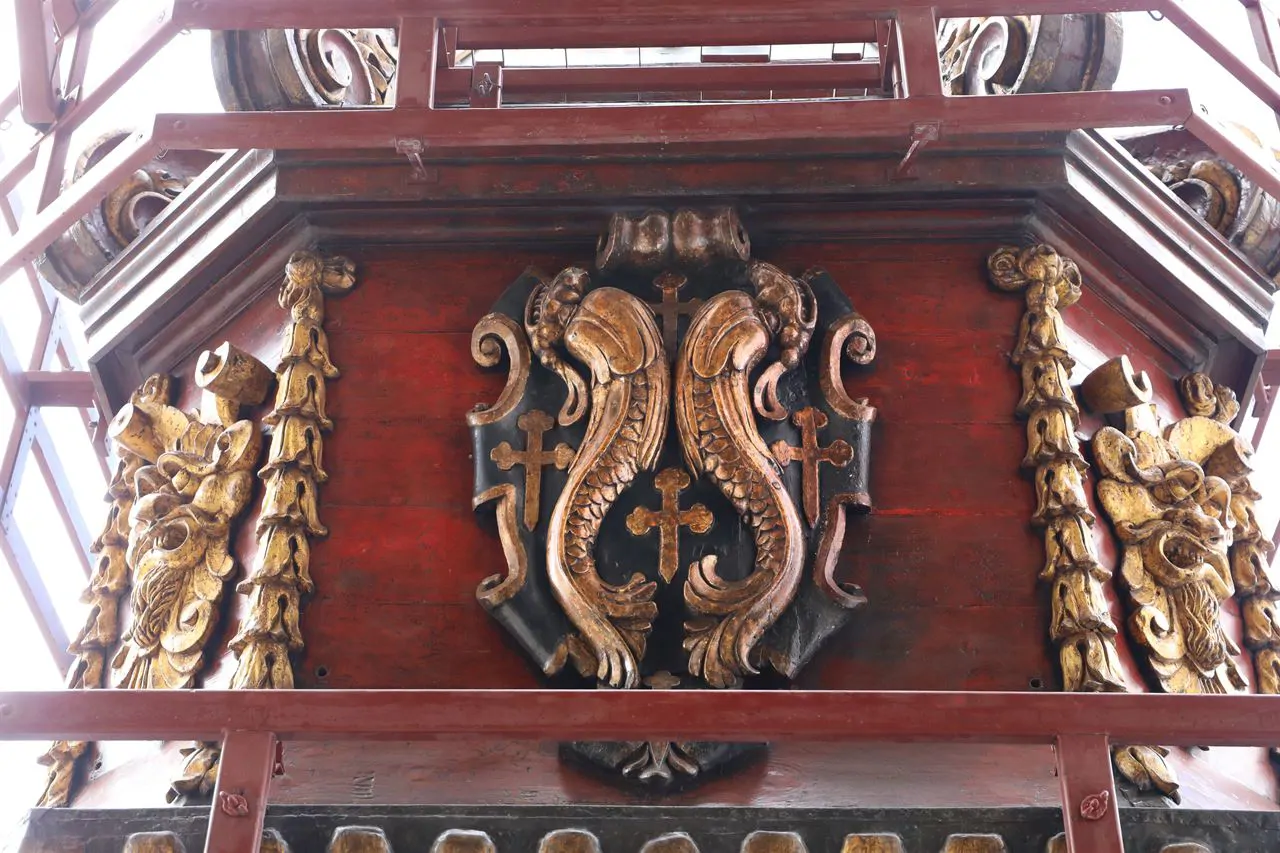
In Tuscany the historical festivals are not reconstructions for tourists but competitions between quarters that are taken very seriously. The Palio of Siena is the best known, but nearly every town has one, and in summer you can find one a week within half an hour's drive.
The Palio of Siena
It is run twice, on the second of July and the sixteenth of August, in the Piazza del Campo: ten of the seventeen contrade, three laps of the square, ninety seconds. The horse wins even if it comes in scosso, that is without its jockey. Around the race is the whole year: the trials, the dinners, the contrada christenings. Watching is free if you stand in the square, but you must get in early and you do not get out again.
The other races
The Giostra del Saracino at Arezzo, in June and September, is a mounted joust against a turning target. The Gioco del Ponte at Pisa, on the last Saturday of June, is a mass push on a seven-tonne carriage. In Florence the Calcio Storico, in June, is a game somewhere between football and wrestling, in sixteenth-century costume.
The Scoppio del Carro
On Easter morning in Florence a cart eleven metres high, called the Brindellone, is drawn into the Piazza del Duomo by white oxen; from the altar a mechanical dove runs along a wire and lights the fireworks mounted on it. It has been done in this form since the fifteenth century, and the success of the flight is still taken as an omen for the harvest.
The summer
Every village has its food fair, and the busiest are the boar and mushroom ones in autumn. Lucca has a summer music festival, Pistoia its blues festival, Siena the Accademia Chigiana season, Torre del Lago the Puccini operas in the open air. The campsite noticeboards cover the rest.