
Bread without salt, and everything else turns around it
The most famous poor man's cooking in Italy, and the hardest to get wrong.
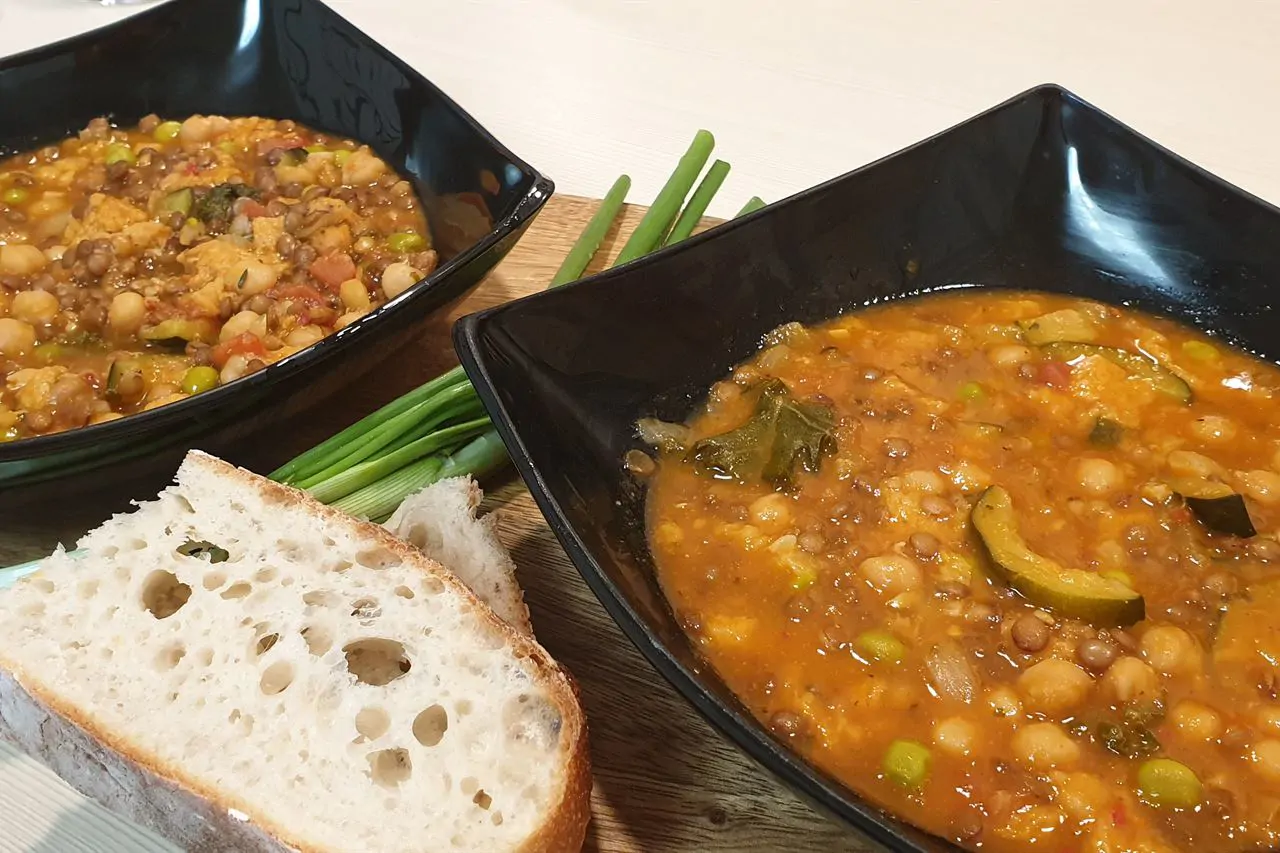
Tuscan cooking is made of few ingredients and of bread. The bread is sciocco, that is to say without salt, and that is not an affectation: it is there to accompany salted meats and cheeses, and above all to be used again the next day. Half the traditional dishes are ways of finishing up stale bread.
Yesterday's bread
Ribollita is a soup of black cabbage, beans and vegetables that is cooked, left to rest and cooked again the next day, with the bread in it. Panzanella is bread soaked and dressed with tomato, onion and basil, a summer dish. Pappa al pomodoro is thicker. All three were invented so that nothing would be thrown away.
The meat
Bistecca alla fiorentina is a three-finger-thick cut of loin from chianina or other breeds, grilled over embers and served rare: it is ordered by weight and shared. Wild boar, stewed or in sausage, comes from the woods of the centre. Pappardelle are dressed with hare or boar ragu, and Sienese pici are rolled by hand.
The rest
The cured meats: finocchiona with fennel seed, lardo di Colonnata aged in marble troughs, Tuscan ham which is very salty on purpose. The cheeses: pecorino from Pienza, fresh or aged in walnut leaves. And cantucci with almonds, dipped in vin santo at the end of the meal.
What to drink
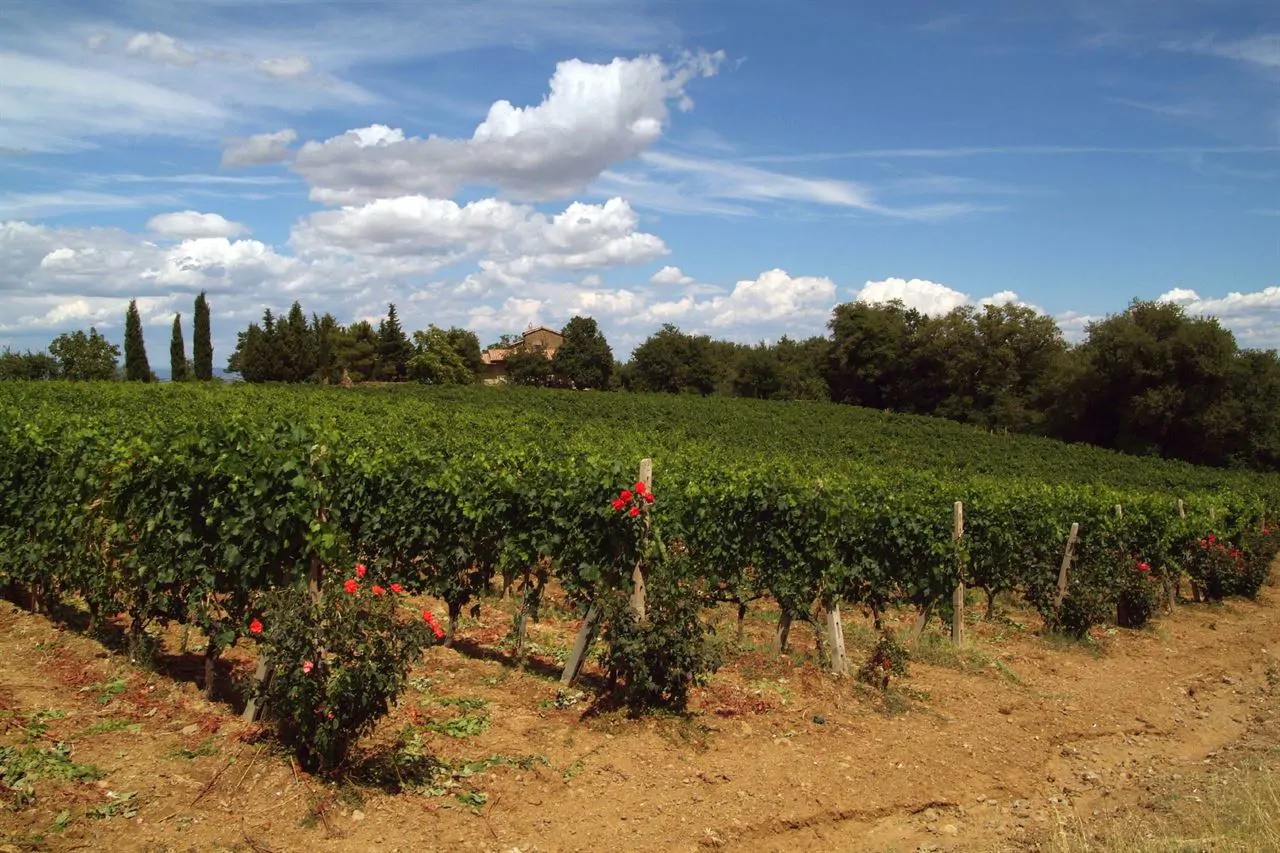
Sangiovese is the grape of nearly every Tuscan red: alone or almost, it makes Chianti Classico, Brunello di Montalcino, Vino Nobile di Montepulciano and Morellino di Scansano. On the coast, at Bolgheri, since the nineteen seventies they have made wines from French grapes that changed the way Italian wine is regarded.