
Marble to the north, clay in the middle, pine woods on the sea
Two thirds hills, an Apennine range behind and seven islands in front.
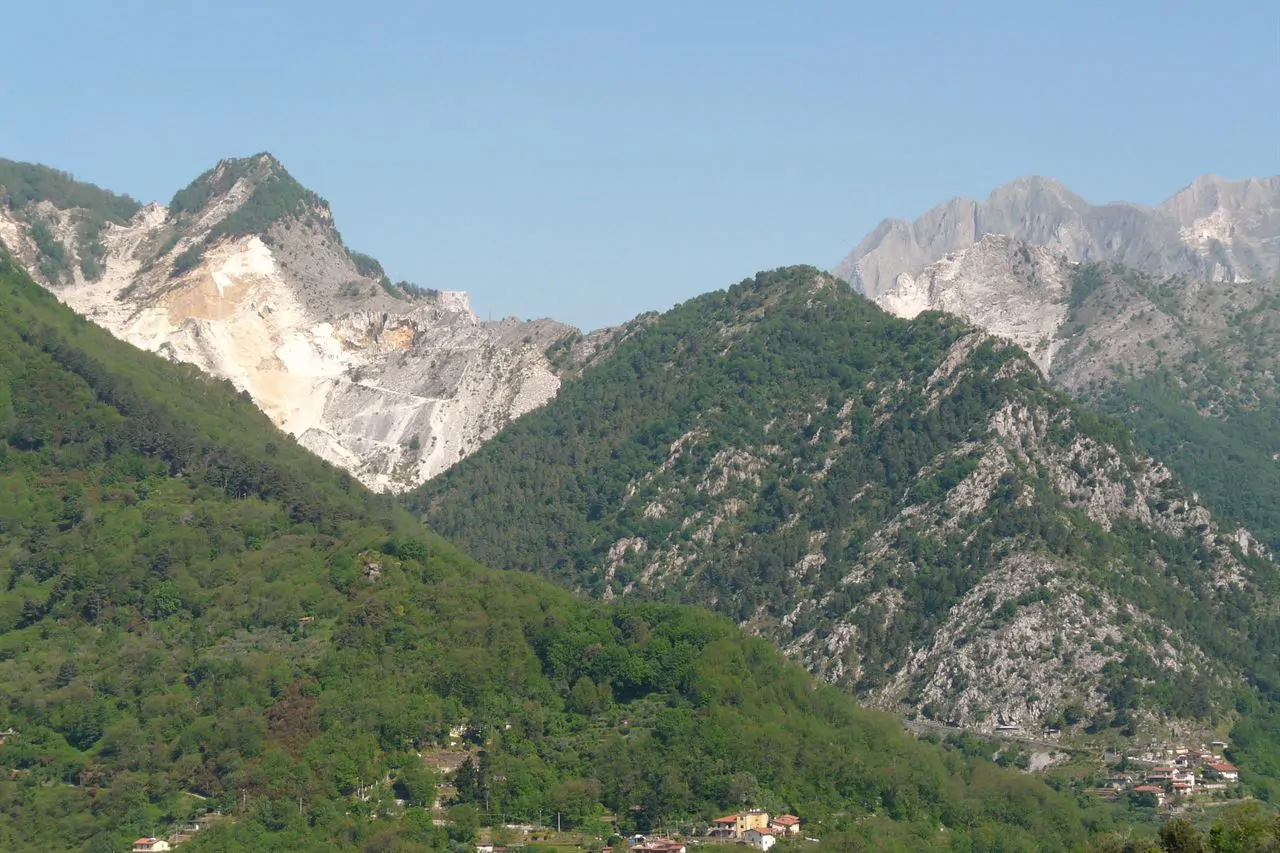
Tuscany is made of very different geological pieces set side by side: the marble Apuans, the sandstone Apennines, the clay hills of the centre, the metal-bearing hills of the south and the coastal plain with its dunes. In a hundred and fifty kilometres you go from a marble quarry to a beach of fine sand.
The Apuan Alps
They are low mountains, just over eighteen hundred metres, but vertical and very close to the sea: from Carrara you can see the Tyrrhenian and you can see the quarries. Marble has been cut here for more than two thousand years, and the cutting has changed the shape of the summits: what looks like snow from a distance is cut stone. Since 2015 the range has been a Unesco geopark.
The hills
The centre of the region is Pliocene clay hills: the Chianti between Florence and Siena, the Crete senesi, the Val d'Orcia, the Casentino and the Val di Chiana. The shape they have today is recent, not ancient: it comes from sharecropping, which divided the land into farms with the house on top, and the cypresses marked the lanes.
The coast and the islands
Three hundred and ninety kilometres, nearly all of it low, with pine woods behind the dunes: they are stone pines planted by the Lorraines and the Medici to hold the sand, and they are the reason campsites here are in the shade. The Tuscan archipelago has seven islands and has been a national park since 1996; Elba is the third largest Italian island.
The Maremma
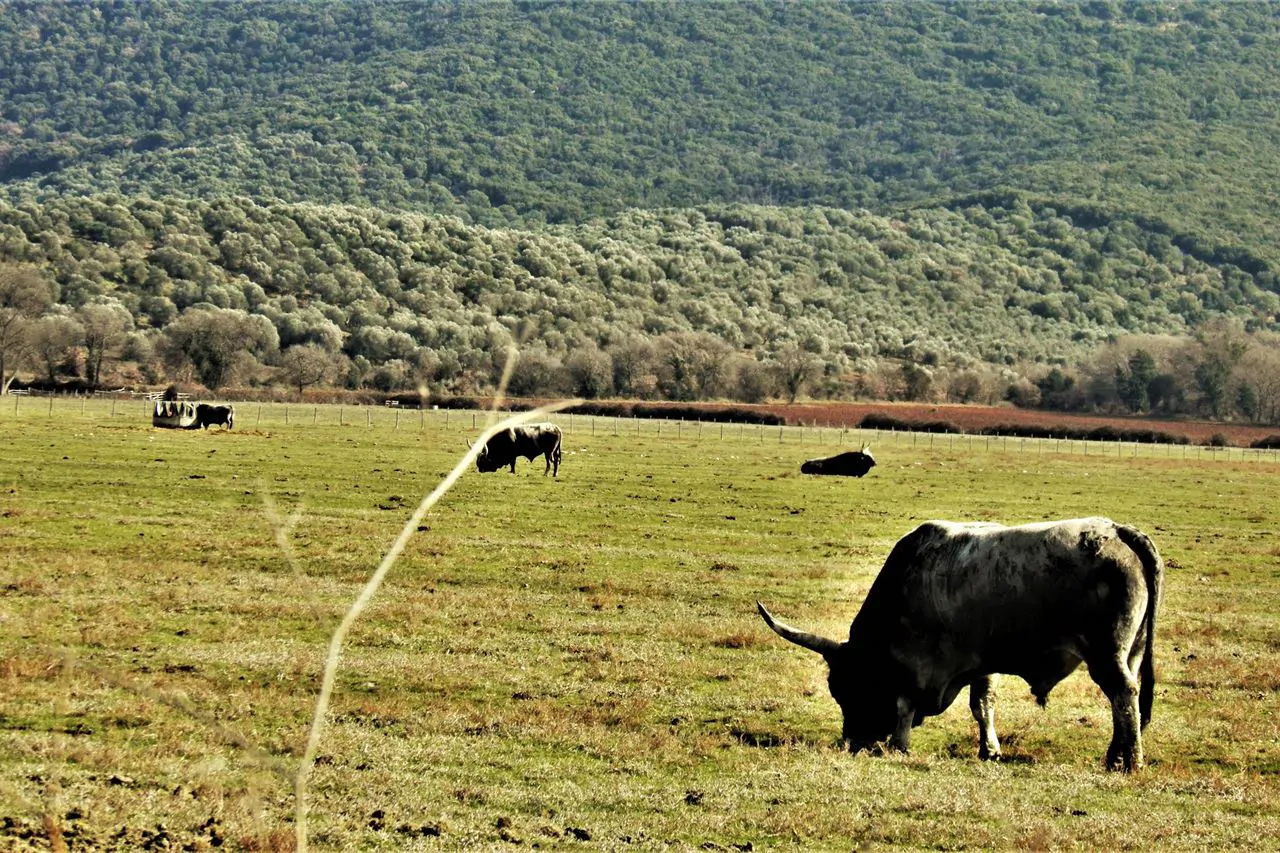
The south of the region, between Grosseto and the Argentario, was marshland until the nineteen thirties, and the drainage changed it completely. Today it is farmed plain with pine woods, scrub and lagoons: in the Maremma park the butteri still ride, and the maremmana cattle with their lyre-shaped horns are still there.